Travel Insurance Including Car Hire Excess: What Aussie Travellers Should Buy in 2025
If you have ever stood at a rental car counter in Los Angeles or Rome and watched the agent slide a waiver form across the desk for USD 35 a day, you already know why people search for travel insurance including car hire excess. That waiver, sold by the rental company, is often the most expensive part of the whole booking. A decent travel policy can do the same job for a fraction of the price, provided you read the fine print before you fly. I have made that mistake once, in New Zealand of all places, and it cost me NZD 280 for cover I already had. This guide is the one I wish I had read back then.
What is car hire excess and why does it sting?

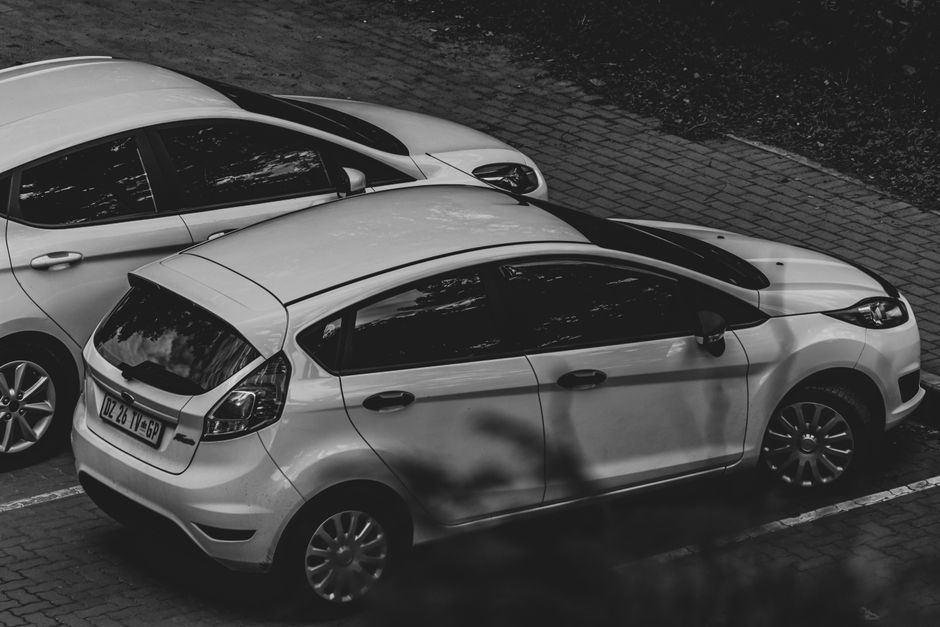
When you rent a car, the rental agreement comes with an excess. That is the amount you agree to pay out of pocket if the car is damaged or stolen while it is in your care. In Australia the excess on a standard rental often sits between AUD 2,000 and AUD 4,500 depending on the vehicle class. In Europe it can run to EUR 1,500 or more, and for a people mover or 4WD it climbs fast.
Here is the part that catches people out. The rental company will happily reduce that excess to zero, for a fee. Budget, Hertz, Avis and Europcar all push this hard at the counter because it is pure margin for them. Daily rates of AUD 25 to 45 are normal, which means a two-week road trip can add AUD 350 to 6
 30 to your bill. Travel insurance including car hire excess covers that same exposure for a lot less, sometimes for the price of a single day of the rental company’s own waiver.
How does travel insurance cover the rental excess?
The mechanism is simple, but it works differently from the waiver at the counter. The rental company still charges you the excess if something goes wrong. You pay them, you claim the damage through your travel insurer, and the insurer reimburses you. It is a reimbursement model, not an upfront waiver.
That distinction matters for two reasons. First, you need enough available credit on your card to absorb the excess if the worst happens, because the rental company will take it before you leave the depot. Second, your insurer will want paperwork, and lots of it. Most Australian insurers ask for the rental agreement, the damage report, a repair invoice or, if the car was written off, a letter confirming the total loss and the amount you paid.
Typical cover limits
Most Australian travel policies cap rental vehicle excess cover somewhere between AUD 3,000 and AUD 8,000. Some budget policies cap it as low as AUD 2,000, which is useless for a large SUV in the United States where excesses can hit USD 5,000. Check the product disclosure statement, or PDS, before buying. The number is always listed under rental vehicle insurance excess, and it is one of the first things I look at now.
What does it actually cost?
Rough numbers from comparing policies in 2025: a two-week trip to the United States with rental car excess cover included runs about AUD 130 to 210 for a traveller aged 35. Without it, the same policy might be AUD 30 to 50 cheaper. So the question is whether the rental company’s waiver would cost more, and it almost always does. Two weeks of waiver at USD 32 a day is around USD 450, roughly AUD 690. The insurance option wins comfortably in most cases.
| Option | Approx. cost for 14 days | Paid upfront? |
|---|---|---|
| Rental company excess waiver (counter) | AUD 350 to 630 | Yes, added to rental bill |
| Travel policy with excess cover | AUD 100 to 180 (share of premium) | No, reimbursement after claim |
| Standalone excess policies | AUD 80 to 150 | Usually reimbursement |
One more thing worth knowing. Frequent travellers should look at annual multi-trip policies. Cover for unlimited trips over 12 months, with rental excess included up to around AUD 5,000, often sells for AUD 400 to 600. If you rent cars three or more times a year, it pays for itself.
Which Australian policies include rental car excess?
Most of the big names in the Australian market include rental vehicle excess as a standard feature rather than an add-on. From my own comparisons:
- Southern Cross Travel Insurance covers rental vehicle excess up to AUD 5,000 on its International plans, and it regularly rates well in Canstar and Finder awards.
- Cover-More offers excess cover up to AUD 8,000 on top-tier plans, one of the higher limits around.
- Budget Direct includes up to AUD 4,000 on comprehensive international policies and tends to price aggressively.
- 1Cover covers excess to AUD 5,000 internationally, with cheaper plans capped lower, so check which tier you are buying.
- NIB and Allianz both include rental excess on comprehensive plans but exclude certain vehicle types.
Prices and limits shift constantly, and I would not buy on this list alone. Use it as a starting point and pull up the current PDS for whatever you are about to purchase. Limits change mid-year more often than you would expect.
What is excluded? Read this part carefully
This is where claims get denied, and where the rental agent’s overpriced waiver quietly does one thing better: it has fewer exclusions. Common traps in travel policies include:
- Off-road driving. Take that 4WD onto a beach or a dirt track in the Outback, even a legal one, and most policies will not pay.
- Vehicle types. Motorhomes, motorcycles, luxury cars, trucks and anything with more than nine seats are typically excluded.
- Driving without a licence, or with someone under 25 at the wheel if the rental agreement forbids it.
- Damage to tyres, windscreens, underbody and roof racks, unless the policy explicitly includes them.
- Negligence, such as leaving keys in an unlocked car.
- Single vehicle accidents in some cheaper policies, which is an odd one but it exists.
I once spoke to a traveller whose claim was knocked back because he had driven the Great Ocean Road hire car onto a gravel lookout. Signed the agreement, paid the premium, still wore AUD 2,750 himself. Exclusions are not fine print trivia, they are the whole game.
Buying at the counter versus ahead of time: which is smarter?
Buy ahead. It really is that simple in most cases. The counter waiver is expensive, sometimes double the cost of equivalent insurance cover, and it bundles into your rental price where you stop noticing it. There are only two situations where I would consider paying the rental company. The first is when you cannot lock up enough credit card limit to cover a potential excess, since the reimbursement model means you front the money first. The second is when your vehicle falls outside the insurer’s list, like a campervan trip around Tasmania, where specialist cover or the rental company’s own reduction is often your only real option.
Also check your credit card before anything else. A handful of premium cards, mostly the ones with the AUD 400 annual fees, include rental excess cover when you pay for the car with the card. Conditions apply, usually excluding certain countries and vehicle types, and the cover limits vary wildly. It is free money if it applies to your trip.
Frequently asked questions
Does travel insurance cover the rental excess in Australia?
Domestic travel policies sometimes do, but many exclude rental vehicles entirely or cap cover at AUD 2,000 to 3,000. If you are renting at home, a standalone domestic excess product or your credit card cover is often the better route.
Do I still need to leave a bond at the rental desk?
Yes. The rental company freezes the bond regardless of your insurance, usually the full excess amount plus fuel deposit. Your travel insurance does not change what happens at the desk, only who ultimately pays if there is damage.
Is windscreen and tyre damage covered?
Usually not under the base excess cover. Some insurers sell it as an optional extra, and the rental company’s waiver often includes it. If you are heading somewhere with unsealed roads, this one line decides whether a chipped windscreen costs you AUD 20 or AUD 900.
The short version
Work out your rental’s excess amount first, then buy a policy that covers at least that much, then check the exclusions against your actual itinerary. Those three steps, done in that order, take about fifteen minutes and can save you several hundred dollars on the rental desk upsell, plus thousands if the hire car gets dinged. The cheapest policy is not the one with the lowest premium, it is the one that actually pays out on the roads you plan to drive.