Business Class Flight Guide: What You Pay For and How to Pay Less
Is a business class flight actually worth the money?
I’ll be honest with you upfront: most people pay too much for business class because they book it the same way they book economy. They search, they see a number around three or four times the economy fare, they gasp, and they click away. That number is real, but it’s also rarely the best one available.
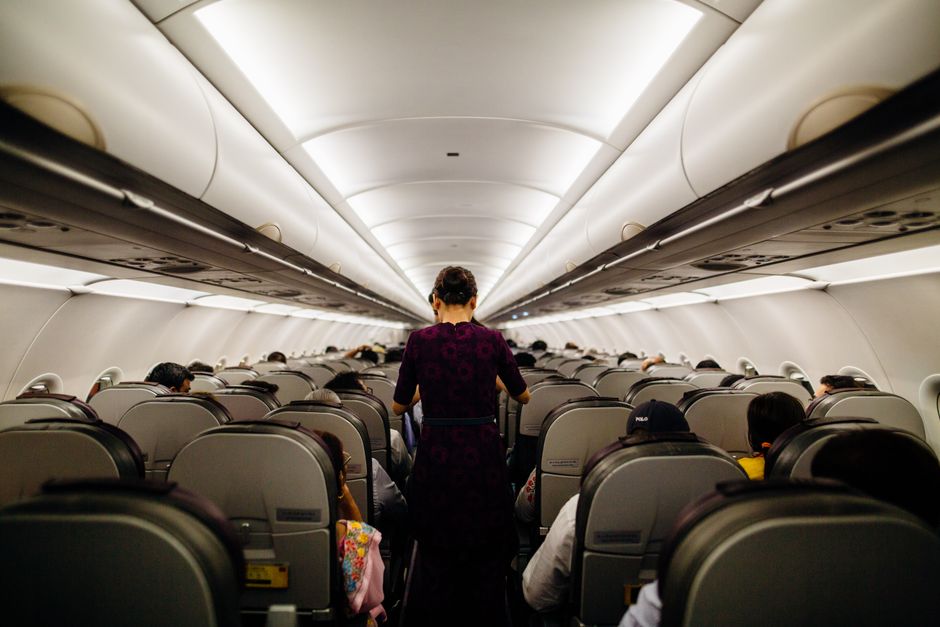
A business class flight gets you a flat-bed seat on most long-haul aircraft, priority everything (check-in, security, boarding), a far bigger baggage allowance, and food that you’d actually choose in a restaurant. On a flight from Keflavík to New York, that’s 6 hours of your life. On a connection through Doha or Dubai to Asia, it can be 20+ hours. The value of the seat changes completely depending on which trip you’re taking.
My rule of thumb after years
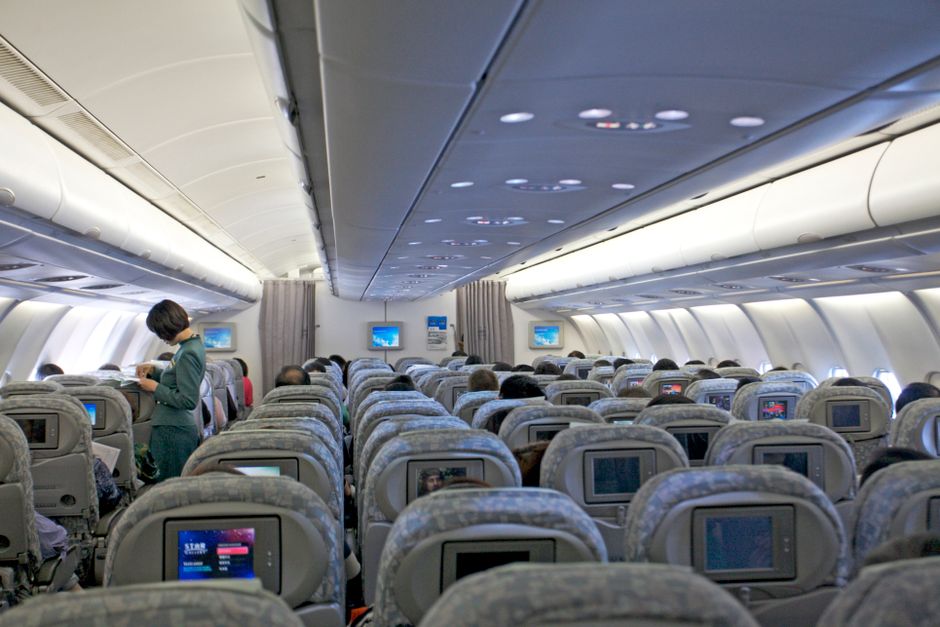 of flying both cabins: business class is worth paying for when the flight is overnight and over 6 hours. Below that, you’re mostly buying lounge access and a wider seat, and I’d rather save the money for the trip itself.
What you actually get for the fare
Let’s break it down without the airline marketing gloss. Here’s what a typical business class ticket includes on long-haul routes from Iceland or via European hubs:
- A seat that reclines into a lie-flat bed, usually 75 to 80 inches long, in a 1-2-1 layout so nobody climbs over you
- Two checked bags at 32 kg each (economy on transatlantic routes often gives you one at 23 kg, sometimes less)
- Airport lounge access with food, showers at major hubs, and quiet space to work
- Fast-track security and priority boarding, which at Keflavík during the summer rush genuinely saves 30 to 45 minutes
- Flexible ticket rules, meaning you can change or cancel with low or zero fees, a real benefit if your plans shift
That last point is underrated. I once rebooked a business ticket 24 hours before departure because a client meeting moved. Same change on a basic economy fare would have cost more than the original ticket.
The seat matters more than the airline
Not all business class is equal. Older 767s and some A330s still have angled lie-flat seats, which I find nearly useless for sleeping. Before you book, check the aircraft type and look up the seat map on a site like AeroLOPA. If it says “angled flat”, treat it as premium economy with better food and adjust what you’re willing to pay.
How much does a business class flight cost from Iceland?
Iceland doesn’t have a home long-haul business class product at the moment. Icelandair’s Saga Premium sits between premium economy and true business class, and it’s honestly decent for the price. Expect roughly 120,000 to 180,000 ISK round trip to New York or Boston in Saga Premium, while a true business class fare on a carrier like British Airways, Lufthansa, or Qatar via their hubs often runs 400,000 to 700,000 ISK round trip to Asia or North America if you book badly, and 250,000 to 350,000 ISK if you book well.
That gap is the whole game. Same seat, same meal, half the price. Here’s how to land on the right side of it.
Seven ways people actually get cheap business class fares
- Book from a different origin. Fares are priced per market. A business class ticket starting in London or Warsaw to the US can be dramatically cheaper than one starting in Reykjavík, even with a separate positioning flight added. Check ITA Matrix or Google Flights with multiple origins.
- Search one-way and multi-city separately. Round-trip pricing hides deals. Sometimes two one-ways beat the return fare by a wide margin, especially on different airlines.
- Fly on the unpopular days. Tuesday, Wednesday, and Saturday departures in business class are consistently cheaper. Business travelers fill Monday and Friday flights, and airlines price accordingly.
- Use points and miles for upgrades. If you hold an economy ticket in a flexible fare class (Y, B, M, H on many carriers), an upgrade to business on a transatlantic flight can cost as little as 25,000 miles plus a small fee. This is where credit card sign-up bonuses do real work.
- Bid for an upgrade. Icelandair, Lufthansa, and several others let you auction your upgrade. Bid low, around 30 to 40 percent of the fare difference, and you’d be surprised how often it clears on half-empty flights.
- Check business class consolidators. Agencies that buy corporate contracts in bulk sell seats below the airlines’ own prices. I’ve seen 20 to 35 percent off published fares to Asia this way. Read the change rules carefully, though, because those tickets are often less flexible than they look.
- Watch for error and flash fares. Airlines occasionally misprice premium cabins. Business class to Asia for the price of premium economy happens a few times a year. Set alerts on routes you care about and be ready to book within hours, not days.
Lie-flat seat, lounge, or just extra legroom?
Sometimes you don’t need full business class. If your flight leaves at 9 a.m. and lands at noon, sleeping isn’t the point, and a premium economy seat at 60 percent of the business fare makes more sense. Icelandair’s Saga Premium and premium economy products from Europe to the US are exactly this: comfortable, quieter cabin, decent meal, no lie-flat bed.
The reverse also holds. My worst long-haul experiences have all been overnight economy flights where I arrived destroyed and lost the first day of the trip. A business class flight that lets you sleep 6 real hours buys back the most valuable currency in travel, which is functioning time at your destination.
Common mistakes that cost you money
I see the same errors over and over. Booking business class within two weeks of departure, when only full-flex fares remain, is the biggest one. Business class rewards planning more than economy does. Start looking 3 to 6 months out.
The second mistake is ignoring the total trip. A cheap business fare with a 14-hour layover in a hub you hate is not a win. Check the connection times before you celebrate the price. And the third is paying for business class on a short daytime hop. Two hours from Keflavík to London in business buys you a sandwich and a curtain. Skip it.
Quick answers to frequent questions
Can you upgrade to business class at the airport?
Sometimes. Ask at check-in or the gate if upgrades are available for cash. Gate upgrades exist and can be cheap on flights with empty premium cabins, but it’s a gamble. If you absolutely need the seat, book it in advance.
Is business class twice the price of economy?
Usually more like three to five times the cheapest economy fare at face value. But with consolidator fares, smart routing, or upgrades, plenty of people fly business for under twice economy. That’s the realistic target.
Do business class fares drop last minute?
Rarely. Premium cabins are priced for late-booking business travelers, so last-minute fares tend to rise. Sales happen 2 to 5 months out, which is your window.
The takeaway
Never accept the first business class price you see. Check alternative origins, search one-ways, set alerts, and always confirm the aircraft has true lie-flat seats before you pay the premium. Do those four things and you’ll cut the fare by a third or more on most long-haul routes, and you’ll sleep flat on the way there. That’s a deal I’d take every time.