Travel Insurance Including Car Rental Excess: What NZ Travellers Should Buy Before Booking a Hire Car
Hiring a car on holiday is one of those things that feels simple until you are standing at the rental counter in Queenstown or Los Angeles being offered $45 a day to reduce your excess. That is exactly where travel insurance including car rental excess saves you. Instead of paying the rental company’s eye-watering waiver fee, your travel policy picks up the bill if something goes wrong, and you keep a few hundred dollars in your pocket for the holiday itself.
I have rented cars on four continents and made most of the mistakes already. This guide covers what rental excess cover actually does, roughly what it costs from NZ insurers, and where the fine print catches people out.
What is car rental excess cover, and why does it matter?
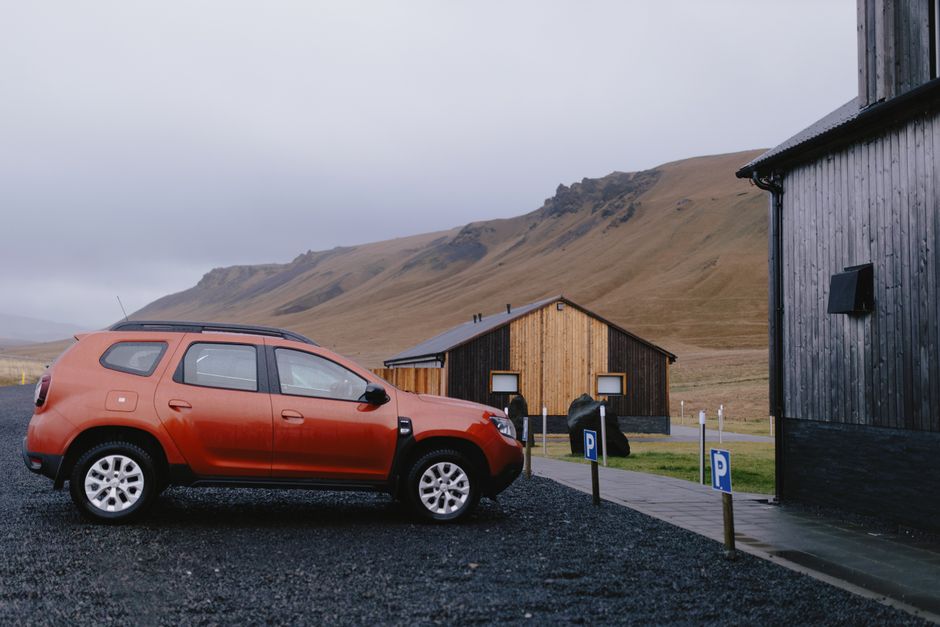
When you rent a car, the vehicle itself is insured by the rental company. What you are on the hook for is the excess, the portion of any damage claim you pay out of pocket. In New Zealand that excess commonly sits between NZ$2,500 and NZ$4,000 for a standard car, and higher for campervans or 4WDs. Scratch a bumper in a car park in Rotorua and you could be handing over $3,000 for what the panel beater fixes in an afternoon.
The rental desk will offer you an excess reduction product, sometimes called a collision damage waiver (CDW) or excess waiver, for something like $25 to $50 per day. On a 10-day trip that is $250 to $500 gone, and it covers one thing only. Travel insurance including car rental excess does the same job for a fraction of the price, bundled in with the rest of your travel cover.
How does excess cover work inside a travel insurance policy?
The mechanics are a bit odd, so let me explain plainly. If you crash the rental car, you pay the rental company’s excess first. Ouch. Then you claim that amount back from your travel insurer. You are effectively out of pocket temporarily, sometimes for a few weeks while the claim is processed, so keep receipts, photos, and the damage report from the rental firm.
Policies typically cap the payout at a set amount, commonly NZ$3,000 to NZ$5,000 for domestic trips and similar figures for overseas rentals. A few insurers, including some NZ providers like Tower, Southern Cross Travel Insurance, and Cover-More, offer higher sub-limits if you pay for a premium tier. Check the sub-limit before you book, not after.
One thing that surprises people
The cover usually excludes the rental company’s loss-of-use and admin fees in some situations, and it almost never covers damage to tyres, windscreens, roof, or underbody unless you are on a higher tier. A stone chip on State Highway 1 is the single most common claim I hear about. Windscreen exclusions are worth an extra five minutes of reading.
What does travel insurance including car rental excess cost from NZ?
Here are ballpark figures based on typical quotes I have seen for a traveller in their 30s. Treat them as a rough guide, prices shift with age, destination, and trip length.
| Cover type | Typical cost | Excess cover included |
|---|---|---|
| Domestic NZ trip, 7 days | $80 to $150 | Up to ~$3,000 |
| Australia, 10 days | $120 to $200 | Up to ~$4,000 |
| Europe or USA, 14 days | $250 to $450 | Up to ~$5,000 |
| Annual multi-trip policy | $400 to $700 per year | Varies, often $4,000+ |
Compare that to the rental desk. A 14-day European hire with the rental company’s excess waiver at €30 a day is around NZ$550, just for the excess protection. The travel policy costs the same and also covers your luggage, medical costs, and cancelled flights. The maths is not close.
Which NZ insurers actually include rental excess cover?
Most comprehensive travel policies sold in New Zealand include some car rental excess benefit as standard. The differences are in the sub-limit and the exclusions:
- Southern Cross Travel Insurance includes rental vehicle excess on most comprehensive plans, with a higher limit on the top tier.
- Tower bundles rental vehicle excess into its comprehensive travel policies, usually capped around $4,000.
- Cover-More and 1Cover both include it, with options to lift the sub-limit.
- Credit card travel insurance (Westpac, ANZ, Amex premium cards) often includes rental excess too, but only if you paid for the hire with that card and met the eligibility rules. Read the activation conditions, they are stricter than people expect.
I would still get a quote from at least three of these. Two nearly identical policies can differ by $100 on a two-week trip, and the comparison sites make this a ten-minute job.
Where people get caught out
After a decade of renting cars, I have learned the traps the hard way. Or rather, my travelling companion has, while I stood there saying nothing useful.
- Driving on unsealed roads. Many policies, and most rental agreements, exclude damage on gravel or unsealed roads. If you are doing the Forgotten World Highway or outback Australia, check this first.
- Leaving the vehicle unlocked or keys inside. Insurers can decline theft claims if the car was not secured.
- Single-vehicle accidents. Hitting a ditch or a kangaroo can be treated differently to a collision with another driver. Check the wording.
- Campervans and utes. Some policies exclude them or charge extra. This catches loads of NZ travellers heading to Australia or the US in a campervan.
- Not getting a police report or damage report. Claims without documentation drag on for months.
Should you still take cover at the rental desk?
Usually no, if your travel policy has solid excess cover. But there is one argument for it: the desk waiver means zero outlay upfront. You walk away with no claim to file and no money waiting on an insurer. Some people happily pay for that convenience.
My own approach is the cheap middle ground. I decline the full waiver, rely on my travel policy for the big excess, and photograph the car from every angle before driving off. Those photos have settled two disputes for me, once over a door dent in Dunedin that was clearly pre-existing.
What about third-party excess specialists?
Companies like RentalCover.com and the excess cover sold through brokers in New Zealand sit between the two options. They are often cheaper than the desk waiver and can include windscreens and tyres, which travel policies commonly exclude. For long hires, say three weeks or more, they are worth a quote alongside your travel insurance.
Frequently asked questions
Does travel insurance cover the rental car itself?
No. It covers the excess you owe after an incident, not the damage to the vehicle. The rental company’s own insurance handles the car. You pay the excess, then claim it back.
Is my NZ travel policy valid for rentals overseas?
Generally yes, for the countries listed in your policy. Check the rental vehicle section for regional limits. Some policies reduce the sub-limit for hires in certain countries.
Do I need to tell the insurer I am hiring a car?
No, it is included automatically in most comprehensive policies. Basic or medical-only policies usually exclude it, so make sure you are on a comprehensive plan before you count on it.
What happens if the excess exceeds my policy’s sub-limit?
You pay the difference yourself. If your rental excess is $4,500 and your policy covers $3,000, the last $1,500 is yours. This is the main reason to match the sub-limit to the excess stated in your rental agreement.
The short version
Buy comprehensive travel insurance including car rental excess before you pick up the car, check the sub-limit against the excess on your rental agreement, photograph the vehicle at pickup, and skip the $40-a-day desk waiver. Do those four things and you have covered the single biggest financial risk of renting a car, usually for less than the cost of one day of the rental company’s own cover.