Car Rental in Zurich: What It Actually Costs and How to Get a Good Deal
I have rented cars in Zurich more times than I can count, for work trips and for the occasional lazy weekend drive to Graubünden. And I will say this upfront: car rental in Zurich is not cheap, but it is refreshingly honest compared with some southern European rental desks I could mention. Nobody is going to upsell you insurance you already have, and the cars are usually spotless. The real game here is knowing where to book, when, and whether you actually need a car at all. That last one matters more than people think.
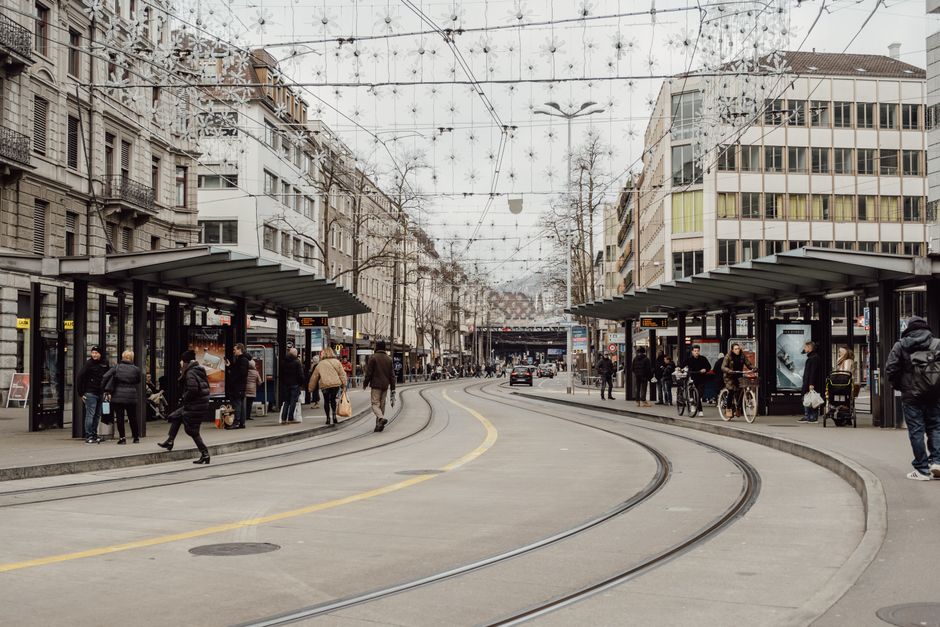
A compact car in Zurich typically runs CHF 35 to 60 per day if you book early, rising to CHF 90 or more in July, August, and over Christmas. A larger SUV or estate easily hits CHF 120 a day in peak season. Before we get into the details, here is my honest default advice: if you are staying inside Zurich city limits the whole time, use the trams and save your money. If you are heading to the Alps, Ticino, or a string of small villages, a car pays for itself fast.
Where Should You Pick Up Your Rental Car in Zurich?
You have two realistic options, and the difference between them is bigger than most guides admit.
Zurich Airport (ZRH)
The airport is where roughly 80% of renters collect their cars. The rental desks sit in parking garage 3, a five-minute walk from arrivals. Sixt, Hertz, Europcar, Avis, Budget, and Enterprise all operate there, along with cheaper local players. Prices are usually CHF 5 to 15 per day higher than downtown because of airport fees, but the convenience is worth it if you land late. I once landed at 22:30, walked straight to the garage, and was on the A1 within twenty minutes. No shuttle bus, no drama.
Zurich City (Main Station and Oerlikon)
Downtown branches are cheaper and often have smaller queues. The Europcar and Sixt locations near Zurich Hauptbahnhof are convenient if you are already in the city. One warning: many downtown branches close on Sundays or shrink their hours to a skel
 eton staff. Switzerland still takes its Sundays seriously, and rental desks are not exempt. If your plan involves a Sunday pickup, double-check the opening hours before you book, not after.
What Does Car Rental in Zurich Actually Cost?
Here is a rough picture of daily rates for a one-week booking, based on prices I have seen across the major comparison engines in the last couple of seasons.
| Car class | Off-peak (per day) | Peak season (per day) |
|---|---|---|
| Compact (e.g. VW Golf) | CHF 35–50 | CHF 70–100 |
| Mid-size / estate | CHF 50–75 | CHF 90–130 |
| SUV / premium | CHF 80–120 | CHF 130–200+ |
Automatic transmission costs a bit more, usually CHF 5 to 10 extra per day, and in Switzerland almost everything smaller is a manual by default, so specify it during booking. Diesel is common and worth it for long Alpine drives, though petrol hybrids are increasingly showing up in the fleets.
Beyond the daily rate, expect these extras:
- Vignette: CHF 40 for the motorway sticker, valid for a calendar year. Most rental cars already have one, but confirm it, because the fine for driving without one is CHF 200.
- Winter tires: often included from November, sometimes charged at around CHF 10–15 per day. Winter equipment is legally required in snowy conditions.
- Cross-border fee: taking the car into Italy, Austria, or Germany is usually free with the big brands, but some local firms charge CHF 20–40. Check the terms if a Italy grocery run is on your list.
- Young driver fee: drivers under 25 typically pay CHF 15–25 per day extra.
Do You Even Need a Car in Zurich?
Seriously, ask yourself this. Zurich’s tram network is excellent and a day pass costs CHF 8.70. Parking in the city center runs CHF 3–6 per hour, and a hotel garage can charge CHF 40 a night. I have watched friends rent a car for a city-only trip and leave it parked for four days straight. That stings.
Where a car genuinely wins:
- Ticino and the southern valleys, where train connections exist but eat half your day.
- Small Alpine villages without rail access, especially in Valais and Graubünden.
- Wine country around Lake Biel or the Jura, which is painful by public transport.
- Trips with kids, luggage, or ski gear in tow. The convenience tax is worth it then.
A neat middle path: take the train to a base town like Lucerne or Interlaken, and rent a car there for two days only. Rates outside Zurich are often 10 to 20 percent lower too.
Which Rental Companies Are Worth Booking in Zurich?
The big international brands are all solid here. Hertz and Sixt at the airport are reliable and their vehicles are almost new, many with under 20,000 km on the clock. Europcar’s Zurich branches have been hit-or-miss for me personally, one spotless car, one with a suspicious rattle I got to argue about at drop-off. Enterprise is my quiet favorite for price, especially for one-way rentals within Switzerland, which they handle without much fuss.
Then there are the brokers and local firms. Comparison sites consistently undercut direct booking by 15 to 30 percent, and in Switzerland the cars behind those broker rates are usually the same fleet vehicles anyway. The one thing I would never skip: take photos of the entire car at pickup and drop-off, including the roof and the rims. Swiss companies are generally fair about damage, but photo evidence has saved me a disputed CHF 400 charge exactly once, and that alone made me a believer.
Driving in Switzerland: The Rules That Catch Visitors Out
Swiss roads are a pleasure, honestly. Drivers are disciplined, signage is clear, and outside rush hour the A1 flows well. But there are a few rules that catch people.
- Speed limits: 120 km/h on motorways, 80 km/h on main roads, 50 km/h in towns. Fines start fast, and cameras are everywhere. A 10 km/h overshoot in town costs around CHF 120.
- Priority from the right: in old town districts, unmarked intersections give priority to the right. This confuses visitors from countries where main roads always have priority.
- No honking culture: the horn is for genuine danger only. Using it out of frustration can technically get you fined.
- Zero tolerance attitudes: the blood alcohol limit is 0.05%, and enforcement on weekend nights is common, especially leaving Zurich.
- Mountain passes: some close in winter (the Klausen Pass, for example, typically shuts November to May). Plan alpine routes seasonally or you will be backtracking.
How to Save Money on Car Rental in Zurich
A few tactics that actually move the needle:
- Book 6 to 10 weeks ahead. Swiss rental pricing climbs steadily as availability tightens. Last-minute deals exist, but they are rare in July.
- Pay now vs pay later: prepaid rates are typically 10 to 15 percent cheaper. Only worth it if your plans are locked.
- Refuel yourself. The full-to-full policy is standard. Airport fuel prices are inflated, so fill up in Zurich Oerlikon or Wallisellen before returning.
- Check your credit card coverage. Many premium travel cards include collision coverage for Switzerland. Decline the desk insurance if yours does. Just read the exclusions, some cards exclude Italy and you need to know that before crossing the border.
- Weekly over daily rates. At five or more days, the per-day price usually drops a notch. Even adding a day you do not need can be cheaper. Rental pricing is strange like that.
Insurance and Deposits: What to Expect at the Desk
The security deposit on your credit card is typically CHF 300 to 800 depending on the car class. It must be a real credit card, not a debit card, at most desks. The basic rate usually includes third-party liability and collision damage waiver with a deductible, often CHF 1,000 to 1,500. The full-coverage upsell runs CHF 20 to 30 per day and eliminates the deductible. If your credit card covers collision damage, skip it. If not, and you are driving mountain roads in winter, I would honestly pay it. One gravel strike on an Alpine descent can cost more than the entire rental.
A note on snow and mountain driving
If you are here between November and March, ask for a car with winter tires before you arrive, not at the desk. Snow chains are mandatory to carry on certain mountain roads, marked with blue signs, and rental companies rent them for around CHF 10 a day. The Susten and Furka passes close in winter, but the motorway tunnels and the Gotthard keep you connected south regardless.
One-Way Rentals and Cross-Border Trips
Dropping the car somewhere else in Switzerland, say Geneva or Lugano, usually costs CHF 50 to 150 extra, sometimes nothing at all with Enterprise. Dropping it in another country gets expensive fast, expect CHF 300 and up. If your trip ends in Milan or Munich, do the math against a train ride plus a separate rental. It is almost always cheaper to drive back to Zurich and take the train from there. Painful, but true.
My verdict after years of renting here: book early, book through a comparison site, pick up at the airport if your flight lands outside business hours, and skip the car entirely if Zurich is your whole trip. The sweet spot is a short 2 to 3 day rental for an Alpine loop, which for me remains one of the best drives in Europe. Get the vignette confirmed, photograph the car, and go enjoy roads that are genuinely a pleasure to be on.