Travel Insurance in Nepal: What to Buy Before You Fly (A Dutch Traveler’s Guide)
I have lost count of the number of travelers I have met in Kathmandu who bought cheap travel insurance in Nepal’s trekking regions without checking one small line in their policy: the altitude cap. One Dutch backpacker I shared a tea house with in Manang had cover up to 2,500 meters. She was standing at 3,540. Her insurer, technically, did not have to pay for anything above that. That single detail is why I now treat picking travel insurance in Nepal as seriously as picking the trek itself.
This guide is written with Dutch travelers in mind, because that is who I get the most questions from, but the logic applies to almost anyone. Nepal is cheap to visit and expensive to get evacuated from. Get that balance right and you can relax.
Why Nepal Is a Special Case for Insurers
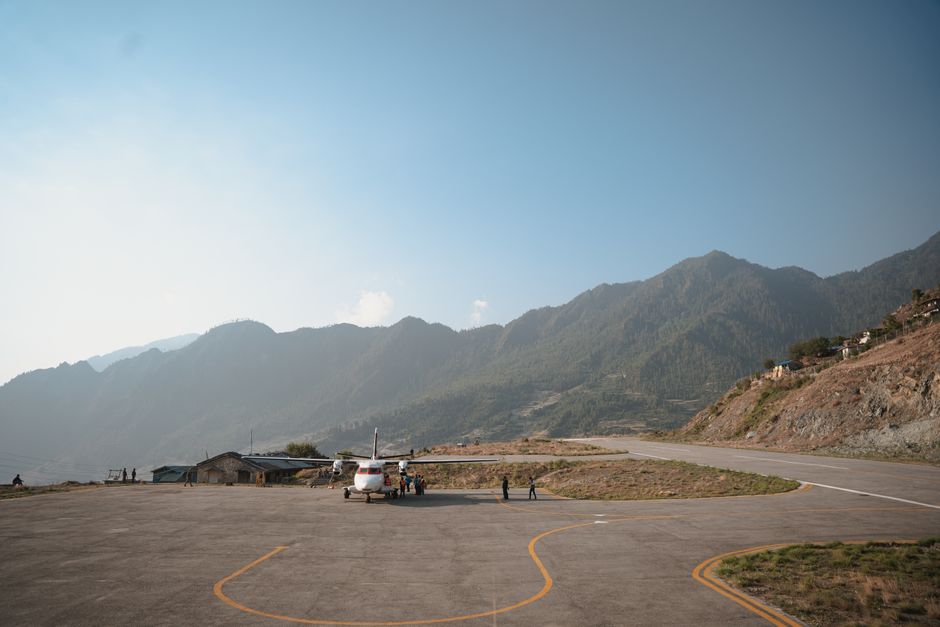
Nepal is not a beach destination. Even the standard tourist route, Kathmandu, Pokhara, Chitwan, is fine on a normal policy. But the moment you head into the Annapurna or Everest regions, you are in terrain where the most likely serious problem, altitude sickness, is treated with a helicopter, not an ambulance.
A helicopter rescue from Everest Base Camp or Thorong La costs between USD 3,000 and 10,000 depending on the location and urgency. I have seen bills quoted at 5,000 USD just for the lift off the trail, before any hospital fees. And here is the part people miss: Nepali hospitals often want payment up front, or at least a guarantee from your insurer, before treatment continues. If your insurer refuses, you or your family are wiring money from Amsterdam at midnight.
So the insurance question in Nepal is really two questions: does my policy cover me at my maximum altitude, and does it cover search, rescue, and helicopter evacuation?
What Your Policy Actually Needs to Cover
Here is my checklist. I run through it every time, and it has caught problems three times now.
- Altitude limit above your highest point. Annapurna Circuit crosses Thorong La at 5,416m. Everest Base Camp trek tops out around 5,364m. Your policy needs a stated limit above these, ideally 6,000m to be safe.
- Helicopter evacuation and search & rescue. Not just “medical evacuation”. Some policies evacuate you only after you reach a hospital by your own means, which defeats the purpose.
- Medical cover of at least 250,000 EUR. Serious altitude sickness can mean a week in intensive care in Kathmandu or a transfer to Bangkok or Delhi.
- Direct payment or guarantee to hospitals. Ask the insurer directly. Reimbursement-only cover is a headache in Nepal.
- Trekking as a covered activity. Some insurers classify anything above 2,000m or multi-day trekking as “hazardous activity” requiring an add-on.
- Repatriation to the Netherlands. A medical flight home can exceed 50,000 EUR.
If a policy ticks all six boxes, it is a real Nepal policy. If it ticks five, read the sixth clause twice.
What Does Travel Insurance in Nepal Cost?
Budget around 4 to 12 EUR per day for solid trekking cover, depending on your age and trip length. For a three-week Annapurna Circuit trip, a Dutch traveler in their thirties typically pays somewhere between 90 and 150 EUR with a specialist insurer. A standard package travel policy from a Dutch bank, the kind bundled with your credit card, often costs nothing extra but caps altitude at 2,500 to 3,000m and quietly excludes helicopter rescue outside Europe.
My honest take: the free bundled cover is fine for a Kathmandu, Pokhara, Chitwan trip. It is not fine for anything with a pass, a base camp, or the word “circuit” in it.
Two options I keep coming back to for Dutch travelers:
- Specialist trekking insurers (World Nomads is the best known; Allianz and FNI SCHADE policies sold through Dutch brokers also offer high-altitude add-ons). Expect a trekking extension to add 30 to 60 EUR to a standard policy.
- The Nepal-specific riders some Dutch travel insurers sell, which name the Himalayan trekking regions explicitly and include SAR up to 6,000m.
The TIMS card and permit confusion
Quick tangent, because it trips people up. Your insurance is separate from the TIMS card and the Annapurna or Sagarmatha park permits. TheTIMS card costs around 2,000 NPR (roughly 14 EUR) for independent trekkers and is basically a tracking registration, not insurance. Some trekkers assume it covers rescue. It does not. Nepal also introduced a rule that trekkers on popular routes must hire a guide or be part of a group, so factor a guide’s insurance into your budget too, around 25 to 40 USD per day.
Do I Need Insurance to Get a Visa or Enter Nepal?
Formally, Nepal’s visa on arrival, 50 USD for 30 days at the time of writing, does not require proof of insurance. Some airlines will ask for it, and since COVID a few checkpoints have occasionally asked trekkers to show proof. In practice, no reliable trekking agency will take you up a mountain without it, and no responsible one should.
Treat it as mandatory even if the paperwork says optional. The whole system, helicopters, rescue coordination, the liaison officers in the Everest region, assumes you are insured. There is also a deposit system in some districts where trekkers must show an insurance certificate before getting a permit.
Common Claims in Nepal (and How to Avoid Becoming One)
From what guides and hospital staff in Kathmandu tell me, year after year, the big three are altitude sickness, stomach problems, and falls on wet stone steps. Altitude sickness (AMS) is by far the most common evacuation reason above 3,000m, and it does not care how fit you are. I have seen marathon runners get sick and 60-year-old smokers stroll over the pass.
The good news: most of this is preventable.
- Ascend slowly. Above 3,000m, keep daily altitude gains under 400 to 500m of sleeping elevation.
- Carry altitude medication if your doctor agrees it suits you, and know the symptoms: headache that ignores painkillers, nausea, loss of appetite, stumbling steps.
- Drink treated water, skip raw salad in lower towns, and be suspicious of yak cheese that has sat in the sun.
- Buy proper footwear. Wet stone steps in Langtang and Ghorepani claim more ankles than the trails do.
Also, keep your receipts. Nepali paperwork is charming but slow, and insurers will want every scrap of paper from the clinic in Manang before they reimburse you.
FAQ: The Questions I Get Most
Does travel insurance cover the Everest Base Camp trek?
Yes, if the policy states an altitude limit of at least 5,500m and includes helicopter rescue. Read the policy wording, not the marketing page. Many “adventure” policies cap at 4,000m.
Can I buy insurance after arriving in Kathmandu?
You can, but a policy purchased after a problem has started will not cover it, and some insurers exclude cover bought mid-trip. Buy it in the Netherlands before departure, or at minimum before you start walking.
Is trekking solo covered?
Increasingly no, and since 2023 solo trekking without a guide is restricted on the main routes anyway. Check whether your policy has a “accompanied travel” condition before you plan an independent walk.
The Short Version
Spend 100 to 150 EUR on a real trekking policy with a 6,000m altitude limit, helicopter rescue, and at least 250,000 EUR in medical cover. Print the certificate, save the 24-hour emergency number offline, and hand a copy to your guide. It is the least glamorous purchase of the trip and the one thing that can save you from a 10,000 USD helicopter bill. Sort it out before you pack your boots.