Cheap Flight Schools Near Me: A Real-World Guide to Flight Training Costs in the US
I typed “cheap flight schools near me” into Google three years before I ever sat in a cockpit, and honestly, the results were a mess. Some sites quoted $9,000 for a private pilot license. Others said $15,000. One glossy academy page buried a $92,000 figure under stock photos of sunsets. So if you are comparing prices right now and feeling a little dizzy, that is normal. Flight training pricing in the US is genuinely messy, and the cheapest option is rarely the one with the biggest ad budget.
Here is the honest breakdown I wish someone had given me: what training actually costs in 2025, why quotes vary so wildly, and how to find affordable instruction at an airport within driving distance of you.
What Does Flight School Actually Cost in the US?
Let’s start with the numbers, because nobody else puts them up front. A private pilot license (PPL), the first big milestone, typically runs between $10,000 and $17,000 depending on where you live and how quickly you learn. The FAA minimum is 40 flight hours, but the national average student finishes closer to 65 to 70 hours. Every extra hour in the air costs money, usually $150 to $250 an hour once you include the instructor and fuel.
Below the PPL, some schools offer a sport pilot certificate for around $6,000 to $9,000. It limits you to two-seat light sport aircraft, but it is a legitimate, cheaper entry point. Going the other direction, a commercial pilot license with all the ratings (instrument, commercial, multi-engine, and flight instructor) can easily total $60,000 to $90,000 at a big academy, or $45,000 to $60,000 if you shop smart at a small local school.
I will say it plainly: the price range is enormous because you are p
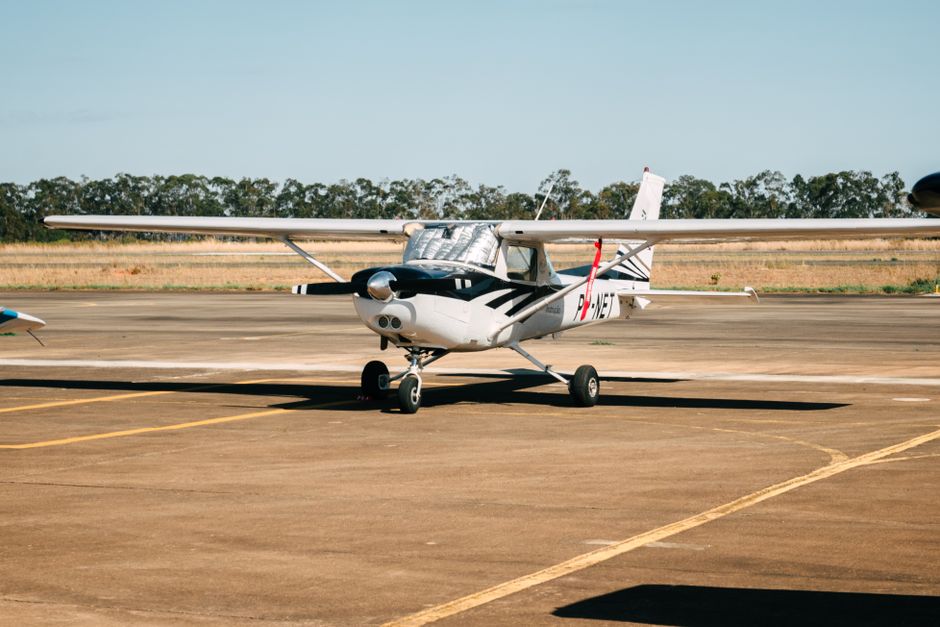 aying for hours, and hours depend on you. A student who flies twice a week finishes faster and cheaper than one who flies twice a month and relearns the same traffic pattern every lesson.
Where Do You Find Cheap Flight Schools Near You?
Forget the national academy ads for a second. The best deals in American aviation are usually hiding at small municipal airports. Here is the search strategy that works:
- Check your local municipal or regional airport first. Most mid-sized cities have a fixed-base operator (FBO) or a mom-and-pop flight school on the field. Many list nothing online, which is exactly why they stay cheap.
- Search the FAA’s Part 141 school directory. Part 141 schools follow a structured curriculum, and some community colleges with aviation programs offer rates that private academies cannot touch.
- Look at community colleges with flight programs. Places like Mt. San Antonio College in California or Broward College in Florida have historically offered training at rates well below private academies, sometimes with financial aid attached.
- Ask about flying clubs. A club with a Cessna 152 or a Piper Cherokee can cut aircraft rental to $90 to $130 per hour, versus $160 to $210 at a for-profit school. Joining fees usually run $500 to $2,000.
- Call, do not just browse. I have found that phone quotes run 5 to 15 percent below advertised web pricing, especially if you mention you are comparing schools.
Part 61 vs. Part 141: Which One Saves You Money?
This is the single biggest cost fork in the road, so it deserves its own section.
Part 141 schools are FAA-approved academies with a set syllabus. They are efficient on paper, with a commercial license minimum of 190 flight hours instead of 250 under Part 61. If you want an airline career and can commit full time, Part 141 can actually be cheaper overall despite higher hourly rates.
Part 61 schools are flexible. You train on your schedule, with an instructor who tailors lessons to you. Hourly rates are usually lower, sometimes $20 to $50 less per hour, but you may need more total hours if your training is spread out.
My take: for a hobby pilot or someone funding training out of pocket, Part 61 at a small local field wins on cost most of the time. For career-track students under 30 who can train intensively, run the numbers on both, because the 60-hour difference in commercial minimums is real money, roughly $10,000 to $15,000.
Sample Cost Breakdown for a Private Pilot License
Here is a rough table based on typical 2025 rates at a Part 61 school in the Midwest. Coastal cities like Miami or Los Angeles will run 15 to 30 percent higher.
| Item | Typical Cost |
|---|---|
| 60 hours aircraft rental (Cessna 172) | $9,000 to $12,600 |
| 40 hours flight instruction ($60 to $80/hr) | $2,400 to $3,200 |
| Ground school (online or classroom) | $150 to $500 |
| Written exam (FAA knowledge test) | $175 |
| Checkride fee (examiner) | $800 to $1,200 |
| Books, headset, charts, medical certificate | $600 to $1,500 |
| Total | $13,000 to $19,000 |
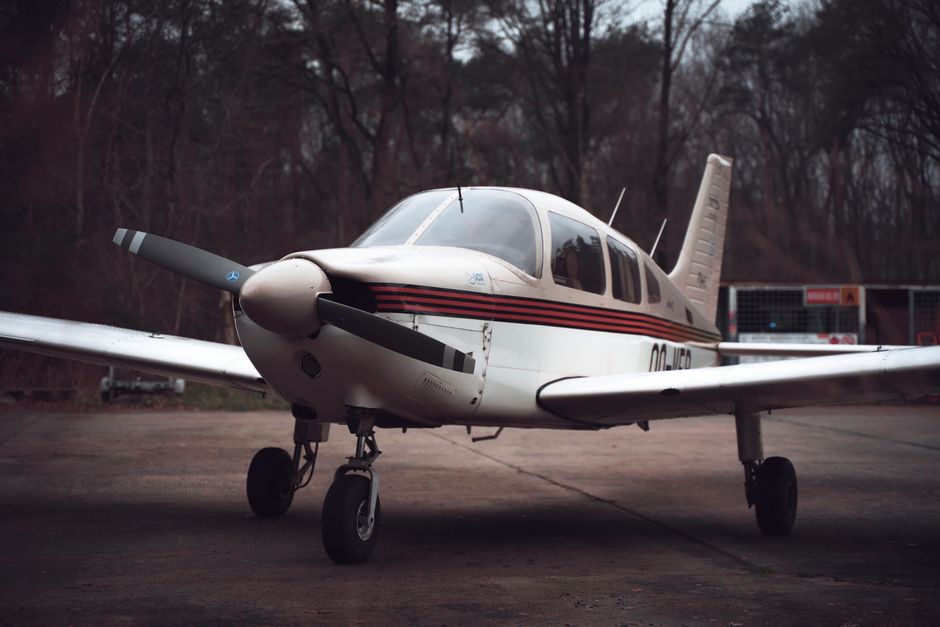
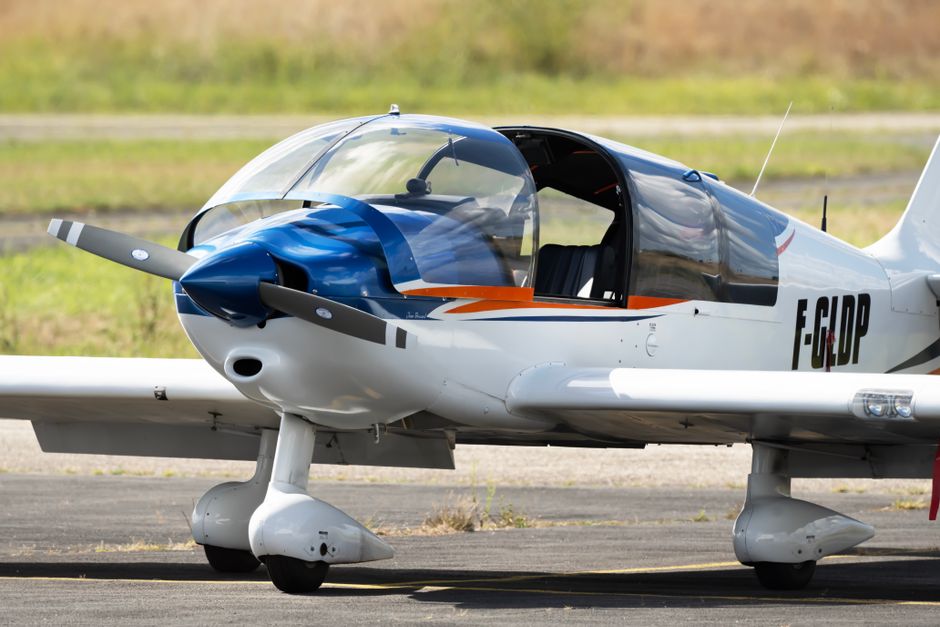
Notice that aircraft rental dominates everything. That is why the cheapest flight school near you is usually the one with the oldest, ugliest, best-maintained trainer on the ramp. A 1978 Cessna 152 rents for $100 to $125 an hour in much of the country and teaches you to fly just as well as a brand-new glass-cockpit 172 at $190.
How to Cut Flight Training Costs Without Cutting Corners
After watching friends spend wildly different amounts on the same license, I have concluded that student habits matter as much as school choice. Some things that genuinely save money:
- Fly at least twice a week. Skill decay between lessons is the silent budget killer. Students who fly weekly spend more hours total, period.
- Study on the ground. Every concept you learn in a $30 ground session is one you do not burn $200 of flight time on. Free resources like the Sporty’s and Rod Machado materials cover 90 percent of the knowledge test.
- Buy block time. Many schools offer 5 to 10 percent off if you prepay 10 hours. Just be careful with large prepayments at small operations, schools do occasionally close.
- Train in cheaper airspace. Busy Class B airports near major cities mean long taxi and hold times, billed at engine-running rates. A quiet field 45 minutes away can be thousands cheaper over a full license.
- Consider a sport pilot start. If your goal is weekend flying rather than a career, a sport pilot certificate in a light sport aircraft gets you airborne for under $9,000 in many states.
Watch Out for These Pricing Traps
A few warnings from the school of hard knocks. Some academies advertise a low hourly rate but charge fuel surcharges, enrollment fees, or mandatory “progress checks” that add 10 to 20 percent to your bill. Others quote the FAA minimum 40 hours as if it were the norm; almost nobody finishes in 40, so treat any quote built on it as marketing.
Also be skeptical of financing packages pitched on day one. Some flight academies partner with lenders at 10 to 14 percent interest, and I have talked to graduates carrying $80,000 in debt for a license their friend got at a local field for $55,000. Cheaper debt options often exist through credit unions, especially in aviation-heavy states like Texas, Florida, and Arizona.
Quick FAQ
Is flight school cheaper in some states?
Yes. Texas, Florida, Arizona, and the Midwest are generally the cheapest regions, thanks to lower hangar costs, cheap fuel, and lots of good flying weather. Expect to pay more around New York, Los Angeles, Seattle, and San Francisco.
Can I use the GI Bill for flight training?
Sometimes. The GI Bill generally does not pay for a private pilot license, but it can cover advanced ratings at Part 141 schools or degree programs. Veterans should check with the VA before enrolling anywhere.
How long does a private license take?
Flying three times a week, most students finish in 4 to 6 months. Flying twice a month, think 18 months and a much bigger bill.
The Takeaway
Cheap flight training is less about finding a magic school and more about three things: a small school at a quiet airport, an affordable older trainer, and a schedule you actually keep. Get quotes from at least three schools within two hours of you, ask each for the total cost based on 65 hours (not the 40-hour fantasy), and pick the instructor you click with. A great instructor at a fair price will save you more money than any advertised discount ever will.