
Travel Insurance in Canada for Visitors: What to Buy, What It Costs, and Where to Get It
If you are planning a trip to Canada, buying travel insurance in Canada for visitors should happen before you board the plane, not after something goes wrong. Canada has public healthcare, but only for citizens and permanent residents. Visitors pay out of pocket, and the bills are brutal. A single night in a Toronto hospital runs $3,000 to $5,000, and an air ambulance back to your home country can pass $50,000. I have seen otherwise careful travelers skip insurance because “it is just a two-week trip.” That is exactly the trip where a fall on icy sidewalks in January costs $12,000.
Here is a practical guide on what visitor insurance actually covers, what it costs, and which plans are worth a look.
Why visitors to Canada absolutely need insurance
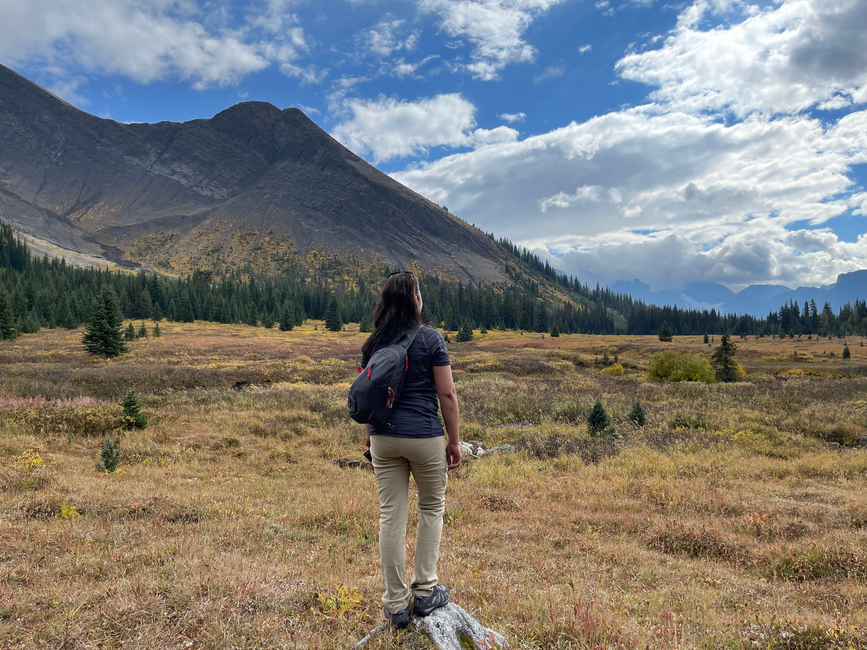
Canada does not have a free-for-everyone system, contrary to what many first-time visitors assume. Provincial plans like OHIP in Ontario cover residents only. If you get sick in Vancouver or break a wrist skiing in Banff, the hospital will treat you, then send a bill. And unlike some countries, Canadian hospitals expect payment.
A few numbers worth sitting with:
- Emergency room visit: $1,000 to $3,000 before any treatment
- Hospital ward bed: roughly $3,000 to $5,000 per night
- ICU stay: $8,000 to $10,000 per day
- Prescription antibiotics and a clinic visit: $150 to $400, manageable, until you need more
- Emergency medical care: hospital stays, doctor visits, diagnostics
- Prescription drugs during the emergency
- Emergency dental (usually capped at $500 to $1,000)
- Ambulance services, including ground and sometimes air
- Repatriation: flying you home if medically necessary
- Return of remains, if the worst happens. Grim, but this alone can cost $15,000 plus
- Coverage amount: $50,000 versus $100,000 versus $250,000. I recommend $100,000 minimum, or $250,000 if you are skiing or visiting more than a month.
- Deductible: taking a $500 deductible can cut premiums 10 to 20 percent. Worth considering if you have savings.
- Stability of pre-existing conditions: most plans require conditions to be stable (no medication changes, no new diagnosis) for 90 to 180 days before departure.
- Tugo (formerly Travel Underwriters): flexible plans, good for ages 85 plus, ski coverage available
- Manulife CoverMe Visitor: easy online purchase, decent stability period rules
- 21st Century Travel Insurance: popular for super visa applications, accepts older travelers
- GMS Visitors to Canada: solid for people already in Canada on work permits or awaiting permanent residence
- Allianz Global and TuGo: often cheapest for under-50 travelers
- Not declaring a pre-existing condition. High blood pressure that changed medication three weeks before the trip? Unstable. Claim denied.
- Buying coverage that starts on the wrong date. Your policy should start the day you leave home, not the day you land.
- Assuming pregnancy is covered. Most plans exclude childbirth entirely and cap pregnancy complications, often within the first 31 weeks of pregnancy.
- Skipping the snow sport rider. A Banff ski trip without it is an expensive gamble.
- Going to a walk-in clinic for a minor issue without checking whether the plan has a preferred provider network. Calling the 24-hour assistance line first is usually required anyway, and it is free.
<
 /ul>
So a policy costing $3 to $8 per day looks cheap next to even one bad evening in an ER. That is the whole pitch for visitor coverage, honestly. It is not complicated.
What does visitor-to-Canada insurance actually cover?
Most plans sold as “visitors to Canada” insurance are emergency medical policies. They are not full travel insurance in the broader sense. Here is what a solid plan includes:
Core coverage
Common add-ons (buy them if they fit your trip)
Trip cancellation and interruption are usually sold separately or as a bundle. If you spent $2,800 on flights and a Rockies tour, adding cancellation coverage for maybe $80 to $150 is reasonable. Baggage coverage matters if you are carrying camera gear or medication. Adventure sports riders exist for skiers and snowboarders, and you need one, because standard policies exclude downhill skiing and snowboarding. Yes, even tame resort runs.
How much does it cost?
For a traveler aged 30 to 45, expect roughly $2.50 to $4.50 per day for $100,000 in emergency medical coverage. A 60-year-old pays closer to $5 to $8 per day. Past age 80, prices climb sharply, often $12 to $20 per day, and some insurers cap coverage at $50,000 or require a medical questionnaire for pre-existing conditions.
Three things move the price:
A two-week $100,000 policy for a healthy 40-year-old typically lands around $45 to $70 total. Compare that to a $4,000 ER bill and the math does itself.
Which insurers should visitors compare?
The Canadian market for visitor insurance is genuinely competitive, and most plans are sold online with instant quotes. Names that come up again and again:
Rather than guessing, use an aggregator such as Squaremouth, Kanetix, or Visitor INSURANCE comparison sites and run your dates through five or six quotes. Ten minutes of comparing regularly saves 30 to 40 percent. Prices vary more than you would expect for near-identical coverage.
Do super visa applicants need special insurance?
Yes, and this trips up a lot of families. If you are sponsoring parents or grandparents for a super visa, Immigration, Refugees and Citizenship Canada requires proof of private medical insurance from a Canadian insurer with at least $100,000 in emergency coverage, valid for at least one year from entry. IRCC is strict about this: the policy must be from a Canadian company, and it must be paid for, not just quoted.
Super visa insurance for a 70-year-old typically costs $1,800 to $3,200 per year depending on the deductible and health history. Some insurers offer monthly payment plans, which helps families splitting the cost. Plans are also refundable if the visa is refused, minus a small admin fee, so buy before the visa decision rather than after.
Mistakes visitors make with their policies
The most common claim denials I hear about are self-inflicted, in a sense:
Also read the alcohol exclusion. It sounds obvious, but claims involving impairment are frequently rejected, and the insurer decides what “impaired” means.
Frequently asked questions
Can I buy visitor insurance after arriving in Canada?
Yes, most insurers allow it, but coverage for illness (as opposed to accidents) typically does not start for 48 to 72 hours after purchase. Buy before departure and this problem disappears.
Does my credit card insurance cover me in Canada?
Sometimes, for a fixed number of days and often with low limits, commonly $25,000 to $50,000 medical. Check the certificate of insurance before relying on it. For trips over a week or two, a dedicated policy usually makes more sense.
How do claims work?
For anything serious, call the assistance number on your policy card first. They arrange direct billing with the hospital where possible, which means you may never see the bill. Keep every receipt for reimbursement claims, and submit within the deadline stated in the policy, usually 30 to 90 days after the expense.
The short version
Get a Canadian-underwritten emergency medical policy with at least $100,000 of coverage, starting the day you leave home, with pre-existing conditions handled honestly and a ski rider if relevant. For most travelers that costs less than a nice dinner out, and it is the one purchase on your trip you hope never to use. Buy it online before departure, compare five quotes, and print the policy card. Then go enjoy the place.