Car Rental in Germany Price Guide: What You’ll Actually Pay in 2025
Let’s get straight to the number most people want: car rental in Germany price sits somewhere between €25 and €60 per day for a compact car if you book early. That’s the honest baseline. I’ve rented cars in Germany maybe a dozen times over the past eight years, from Munich to Hamburg, and the spread between a smart booking and a lazy one is bigger than in almost any other country I’ve driven in. Show up at Frankfurt Airport without a reservation and you can easily pay double what someone paid online three weeks earlier for the identical VW Golf.
This guide breaks down what you’ll actually pay, where the hidden costs hide, and the tricks I’ve learned the slightly expensive way.
What Does a Rental Car Cost Per Day in Germany?

Daily prices depend heavily on three things: the city, the season, and how far ahead you book. Here’s a rough picture for a one-week rental picked up in summer 2025:
| Car category | Daily rate (low season) | Daily rate (July/August) |
|---|---|---|
| Economy (Fiat 500, VW Up) | €22-35 | €40-65 |
| Compact (VW Golf, Opel Astra) | €28-45 | €45-70 |
| Mid-size / station wagon (Passat Variant) | €40-60 | €60-95 |
| Van (VW Touran, 7-seater) | €55-85 | €85-140 |
| Premium (BMW 3 Series, Audi A4) | €70-110 | €100-160 |
One thing that surprises first-time visitors: station wagons are everywhere in Germany and they’re cheap relative to SUVs. A Passat Variant swallows four people and
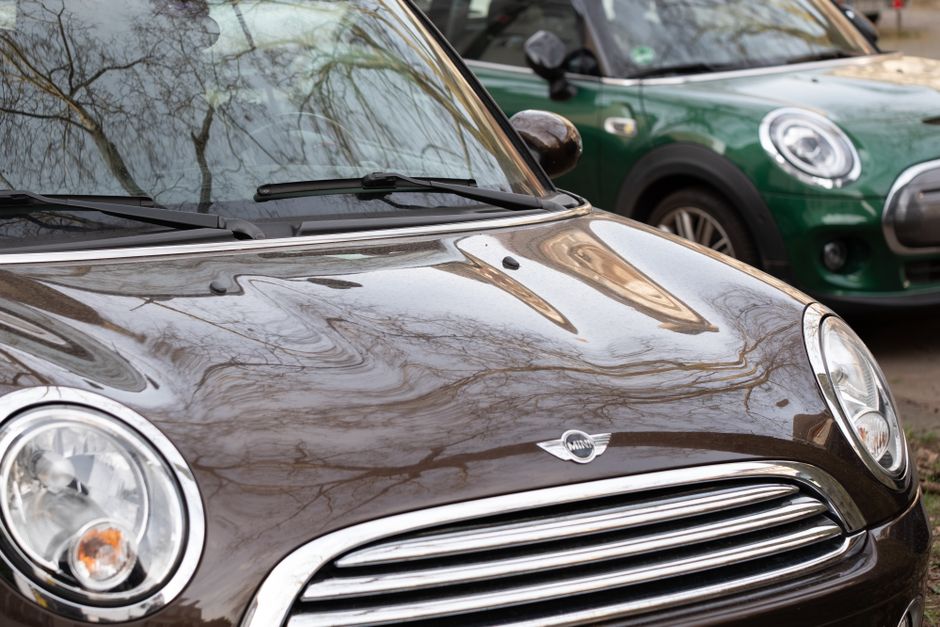 their luggage comfortably, and Germans have figured out wagons long ago, so rental fleets are full of them. If you’re traveling with a family, skip the SUV premium and take the Kombi.
Which Cities Are Cheapest (and Which Will Sting You)?
I compared pickup prices across German cities recently for a June week, and the differences were striking. Berlin and Düsseldorf tended to run cheapest, often €30-40 a day for a compact. Frankfurt and Munich, both massive airport hubs, swing wildly: cheap during off-peak weeks, brutal around trade fairs and Oktoberfest. During Oktoberfest (mid-September to early October), Munich rates for anything with four wheels regularly triple. I once watched a €38-a-day Golf become €115 a day because I waited two weeks too long.
Airport pickups usually cost €5-15 more per day than city-center locations, partly because of the airport concession fees that get passed to you. In Frankfurt, taking the S-Bahn into the city and picking up a car near Hauptbahnhof can genuinely save you €60-80 on a week-long rental. Worth the 15 minutes if your schedule allows it.
The Extra Costs That Catch People Off Guard
The sticker daily rate is rarely your final number. These are the add-ons I’ve seen inflate bills the most:
- Fuel policy traps. The classic is “full-to-empty”, where you prepay a tank at inflated rates and get nothing back for the half tank you return. Always look for full-to-full.
- Young driver fees. Under 25? Budget an extra €10-25 per day, sometimes more. Some companies won’t rent to under-21s at all.
- Cross-border fees. Taking the car into Austria or Switzerland is usually free or cheap, but Poland, Czechia, and further east can trigger €35-50 fees or outright bans on premium cars.
- Winter tires. Legally required in icy conditions (roughly November to March in the south), and rentals charge around €8-12 per day for them. Some brands include them in winter; check, don’t assume.
- One-way fees. Picking up in Munich and dropping in Hamburg? Expect €50-150, sometimes more for shorter rental periods.
- Second driver. €5-12 per day at the big chains. Some brokers bundle it free.
The insurance question, honestly answered
Glass, tire, and undercarriage damage is often excluded even from “full” coverage. And here’s a tip that saved me real money: third-party excess insurance bought separately online (from companies like Carsforfree-style excess insurers, typically €30-45 for a full year) covers your deductible, so you can decline the rental desk’s €15-a-day damage waiver without lying awake at night. That single move cut one of my two-week rentals by over €200.
How to Get the Car Rental in Germany Price Down
After enough rentals, I’ve settled on a short routine that consistently beats the walk-up price by 30% or more:
- Book 4-8 weeks out. Prices creep up in the final ten days, especially in summer.
- Compare brokers and direct. Check Discover Cars or Rentalcars for the baseline, then see if Sixt, Hertz, or Avis direct beats it. Sixt is German, huge there, and often undercuts everyone domestically.
- Look at local firms. Buchbinder and Global Drive sometimes run 20% cheaper than international brands for the same car class.
- Pay at pickup, not online, if there’s no price advantage. Free cancellations give you flexibility to keep rebooking if prices drop.
- Check the automatic transmission box early. Most German rentals are manual. Automatics cost €5-15 extra per day and sell out first, so book them well ahead if you can’t drive stick.
Germany-Specific Rules That Affect Your Costs
Germany is one of the easiest countries in Europe to drive in, but a few local specifics hit the wallet.
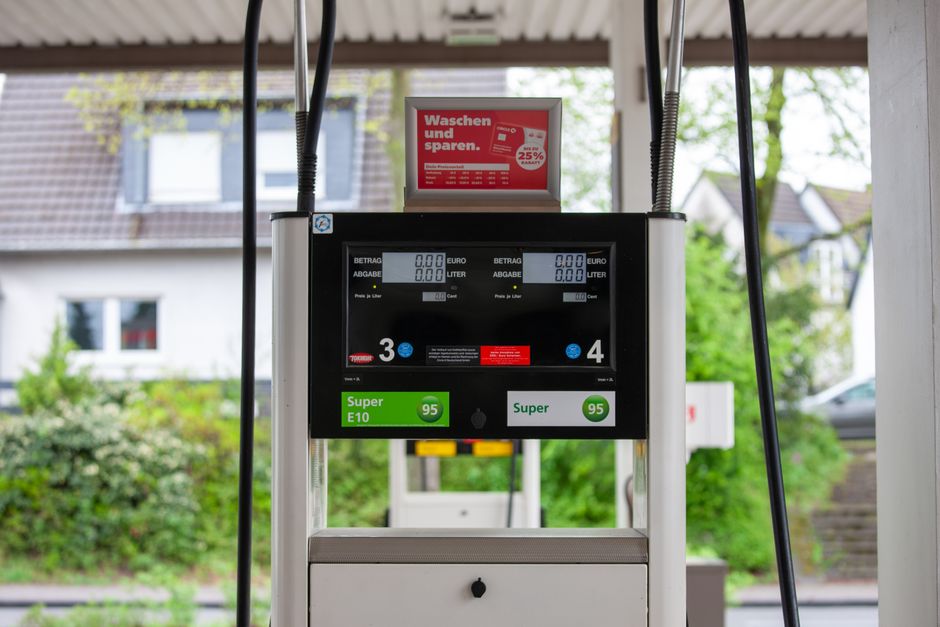
First, there’s no general speed limit on much of the Autobahn, which sounds fun and is, but fuel burn at 180 km/h is brutal. At €1.65-1.85 per liter of petrol (diesel is a bit less), a week of enthusiastic Autobahn driving can add €80-100 in fuel versus cruising at 130. I speak from experience and a slightly embarrassing receipt.
Second, environmental zones. Berlin, Munich, Hamburg, Stuttgart and dozens of other cities require an environmental sticker (Umweltplakette) to enter their low-emission zones. Rental cars almost always have one, but glance at the windshield before you drive off, because the fine is €100 and it lands on you, not the rental company.
Third, the ADAC. Germany’s automobile club has a decent roadside presence, and most rental cars include breakdown coverage anyway, so skip any desk upsell for roadside assistance. It’s nearly always duplicated.
Is It Cheaper to Rent a Car or Use Trains in Germany?
Sometimes it isn’t worth renting at all, and I think honesty demands saying that. The Deutschland-Ticket, at €58 a month for unlimited regional trains and buses, is absurdly good value for city-hopping. If your trip is Berlin, Leipzig, Dresden, the train wins on cost and stress.
But the moment your itinerary includes the Black Forest, the Alps south of Garmisch, the Mosel Valley, or the Baltic coast, a car pays for itself fast. Rural buses in Bavaria run a few times a day at best. For a family of four, a €280 weekly rental plus €90 of fuel is already competitive with four train tickets on long routes, and you get to stop at that roadside bratwurst stand in the middle of nowhere, which, let’s be honest, is half the reason to rent.
Quick FAQ on Car Rental Prices in Germany
What’s the absolute cheapest I can pay?
Economy cars in low season (November to March, excluding Christmas) booked a month ahead can dip to €18-22 a day in cities like Leipzig or Bremen. It happens. Just don’t expect it in Munich in August.
Do I need an international driving permit?
Not if your license is in English or German and uses the Roman alphabet. UK, US, Canadian, and Australian licenses are accepted as-is. An IDP costs around $20 anyway, so it’s cheap peace of mind.
Is unlimited mileage standard?
Yes, at most mainstream companies. Small local firms occasionally cap kilometers on budget rates, so read the terms if the price looks too good.
The Short Version
Book a compact or a wagon four to six weeks ahead for €30-45 a day, insist on full-to-full fuel, buy excess insurance separately, and check for the Umweltplakette before leaving the lot. Do those four things and the car rental in Germany price you pay will be within a few euros of the best deal realistically available, and roughly half of what the unprepared traveler at the airport counter is about to pay.