Cheapest Flight School Near Me: What Flight Training Actually Costs in the US
How much should you actually expect to pay?
When I started pricing flight training, I typed “cheapest flight school near me” into Google expecting a quick answer. There isn’t one. What I found instead was a spread so wide it made my head spin: some schools quoted $9,500 for a private pilot certificate, others quoted $18,000 for the exact same license. Same FAA requirements, same 40-hour minimum, wildly different invoices.
Here’s the honest baseline for 2025. A private pilot license (PPL) at a part 61 school in a rural area typically runs $10,000 to $14,000. Do it in a busy coastal city at a part 141 academy, and $16,000 to $20,000 is normal. A sport pilot certificate, the often-ignored cheaper cousin, can land around $5,500 to $8,000. And a full zero-to-commercial track? Budget $70,000 to $95,000 depending on how fast you fly and where.
The hours are the whole game. The FAA minimum for a PPL is 40 hours, but the national average student finishes
 closer to 60 to 70. Every extra hour in a Cessna 172 at $165 an hour (instructor included) burns money you didn’t plan for. Cheaper flying is mostly about fewer wasted hours, not a cheaper sticker price.
Why two schools in the same town charge $8,000 apart
Price differences aren’t random. They come from four things, and knowing them helps you read a quote in about two minutes.
1. Aircraft hourly rate
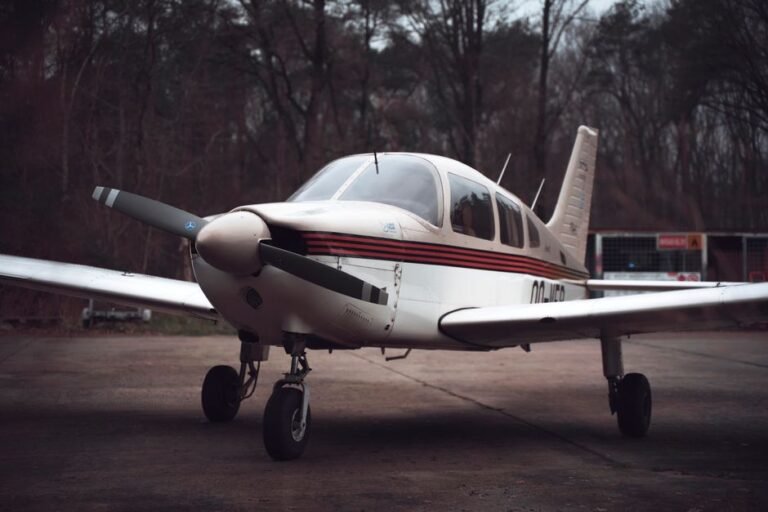
An older Cessna 152 at a small grass-strip operation rents for $95 to $115 per hour. A glass-cockpit 172 at a big academy goes for $160 to $210. If your budget is tight, the 152 is your friend. It’s slower and less glamorous, but the FAA doesn’t care what you trained in.
2. Instructor quality and availability
Cheap instruction isn’t cheap if you fly once a week and forget everything between lessons. I’d rather pay $65 an hour for a CFI who shows up prepared three times a week than $45 for one who cancels constantly. Progress, not hourly rate, determines your final bill.
3. Fuel and facility fees
Some quotes hide fuel surcharges, “convenience fees,” or monthly club dues. Ask for the all-in hourly number. A school that dodges that question is telling you something.
4. Location
Flying out of a quiet untowered field in the Midwest costs less than training at a congested Class B airport where you burn 20 minutes of Hobbs time waiting for taxi clearance. That taxi time is on your clock.
Where to find the cheapest flight school near you
The best deals usually sit outside the obvious places. Before you sign anything, check these sources:
- Flying clubs. Nonprofit clubs at smaller airports often undercut commercial schools by 20 to 30 percent because members share aircraft costs. A club near me rents a well-maintained Warrior for $118 wet, roughly $50 less than any FBO within 30 miles.
- Community college programs. Some partner with local airports for college-credit flight training at subsidized rates, especially in states like Florida, Arizona, and Texas.
- Small untowered airports. Search a 60-mile radius, not 15. The drive is worth it when you’re saving $30 per flight hour across 60-plus hours.
- Volunteer instructor pilots. Some experienced CFIs teach part-time at club rates purely because they love it. Word of mouth at the airport diner finds these people, not Google.
- High school and college partnerships. AOPA’s flight training scholarships alone hand out more than $1 million a year, and many local EAA chapters add smaller awards nobody applies for.
Comparing quotes the right way
When you ask a school for pricing, get these five numbers in writing. I learned this the annoying way after my first school added $1,200 in surprise costs.
| Line item | Cheap school (rural part 61) | Expensive school (part 141 academy) |
|---|---|---|
| Aircraft per hour (wet) | $100 to $130 | $165 to $210 |
| CFI per hour | $45 to $60 | $65 to $85 |
| Ground school | $300 self-paced | $1,500 classroom |
| Checkride fee (examiner) | $700 to $900 | $800 to $1,200 |
| Realistic PPL total | $10,000 to $13,000 | $16,000 to $20,000 |
One more thing about that table. The expensive column isn’t a scam. Part 141 schools have structured curricula, sometimes financing, and career pipelines to regional airlines. If you want to fly for a living and need a student loan, that structure has real value. If you want a weekend hobby license, it mostly doesn’t.
Can you pay less than $10,000 for a pilot certificate?
Yes, but you have to give something up. The sport pilot route is the clearest path under $8,000. You train in a light sport aircraft (around $110 to $140 per hour), need only 20 hours minimum, and skip the aviation medical exam in many cases. The catch: no night flying, max two seats, and a 1,320-pound weight limit. For fun local flying, honestly, who cares?
Another move I recommend to anyone patient: fly twice a week minimum from lesson one. Students who fly weekly or less spend far more total hours relearning skills. Consolidating your training into three focused months instead of dragging it across a year can save $3,000 to $5,000, which is more than most price-shopping ever saves.
Hidden costs that catch people off guard
Every school brochure skips these. Budget an extra $1,500 to $2,500 beyond the quoted price for:
- Written exam fees ($175 to $180 to PSI)
- Headset, charts, kneeboard, and supplies ($400 to $800; buy a used David Clark H10-13.4 for around $250 and skip the $1,100 Bose)
- Extra flight hours beyond the school’s optimistic estimate (almost everyone needs them)
- Checkride examiner fee, plus the aircraft rental for the checkride itself
- Medical certificate ($120 to $200, depending on the AME)
Frequently asked questions
Is a cheap flight school worse than an expensive one?
Not usually. FAA standards are identical everywhere. What matters more is instructor consistency and aircraft availability. A $110-an-hour school with a stable of two planes and one full-time CFI can beat a glossy academy if you actually fly regularly there.
How long does the private pilot license take?
Legally, 40 hours minimum. Realistically, three to six months if you fly two or three times a week, or a year-plus if you fly occasionally. Full-time accelerated programs compress it to about 60 days.
Does the GI Bill cover flight training?
Sometimes. Chapter 33 benefits generally require a degree-granting program at a part 141 school attached to a college, not a standalone flight school. Veterans should check with the VA before assuming coverage.
What if I can only afford lessons month by month?
Plenty of people do it pay-as-you-go at part 61 schools. Just know that stretching training over years inflates the total cost. Save up three to four months of flying money first if you can.
The takeaway
Search a wide radius, get all-in hourly rates in writing, prefer flying clubs and untowered fields, and fly often once you start. Those four habits save more money than any sticker price ever will. A reasonable target for a private license in most of the US is $11,000 to $13,000, and if a quote lands far below that, ask exactly which hours and fees are missing before you celebrate.